Chemists design molecules for next-generation semiconductors
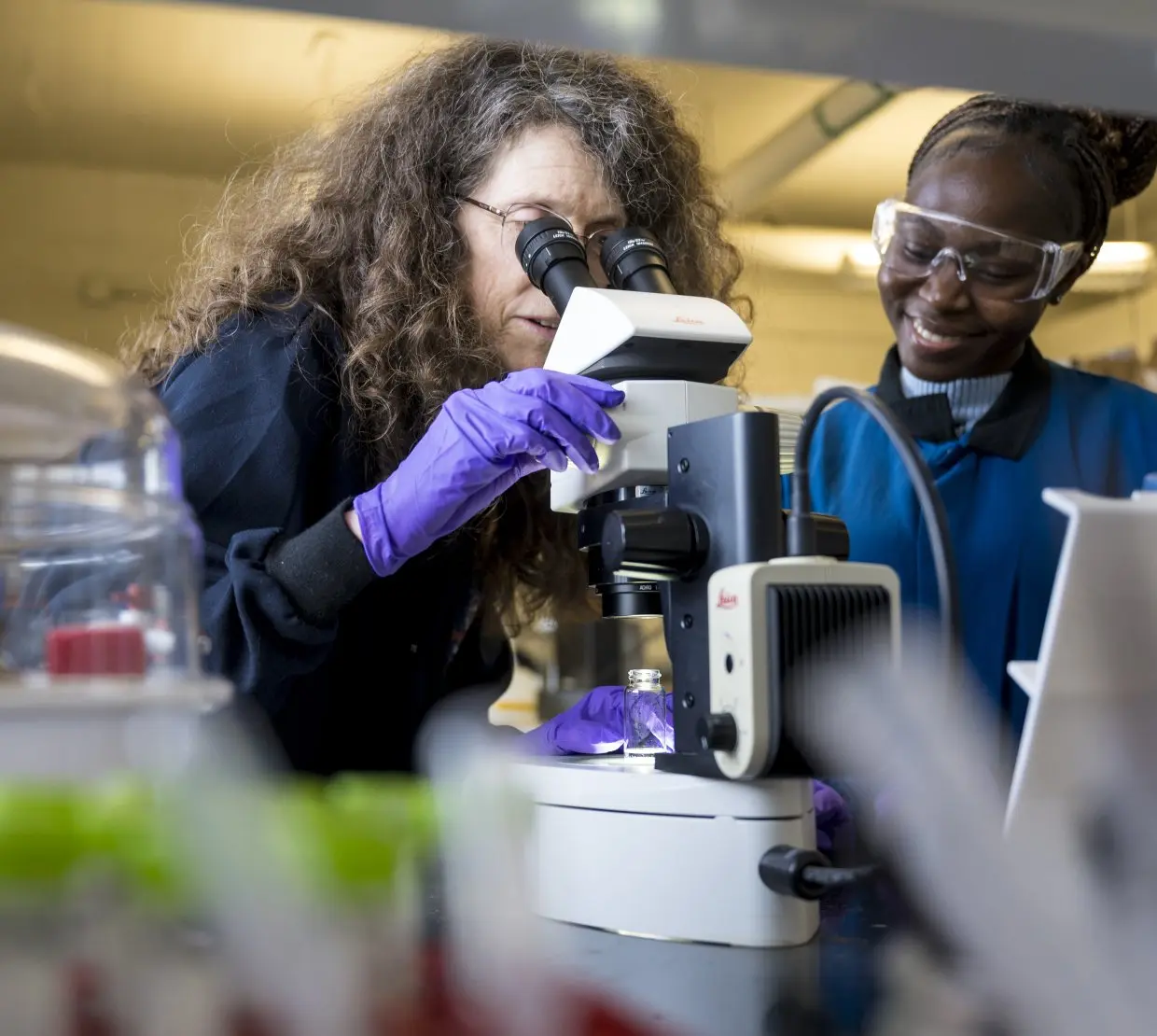
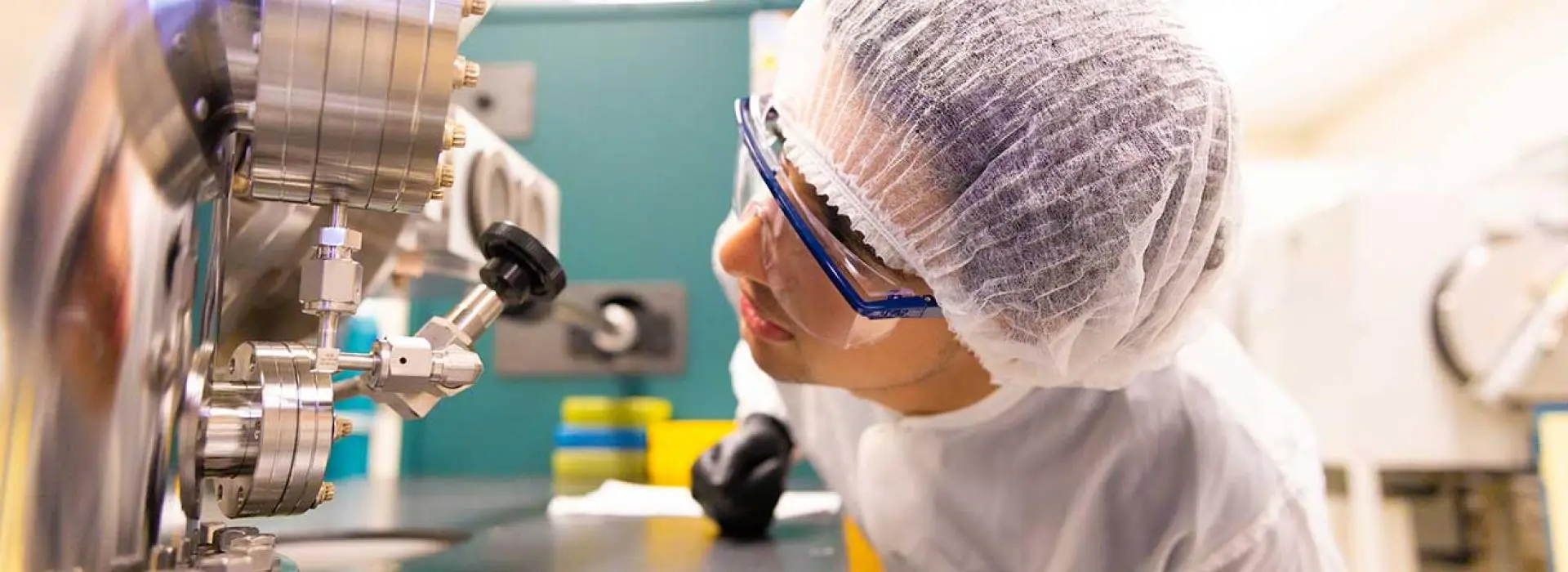
Materials scientist May Nyman and doctoral student Esther Julius are designing molecules that could help shrink microchips.
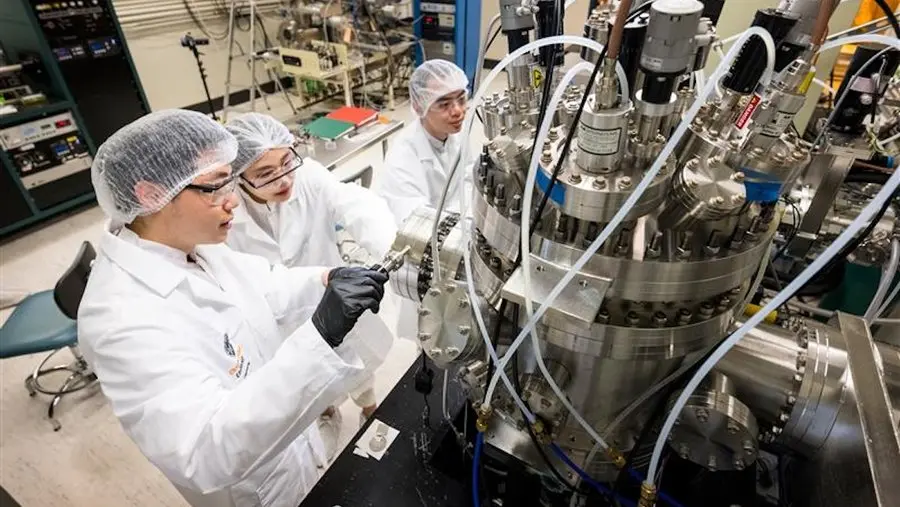
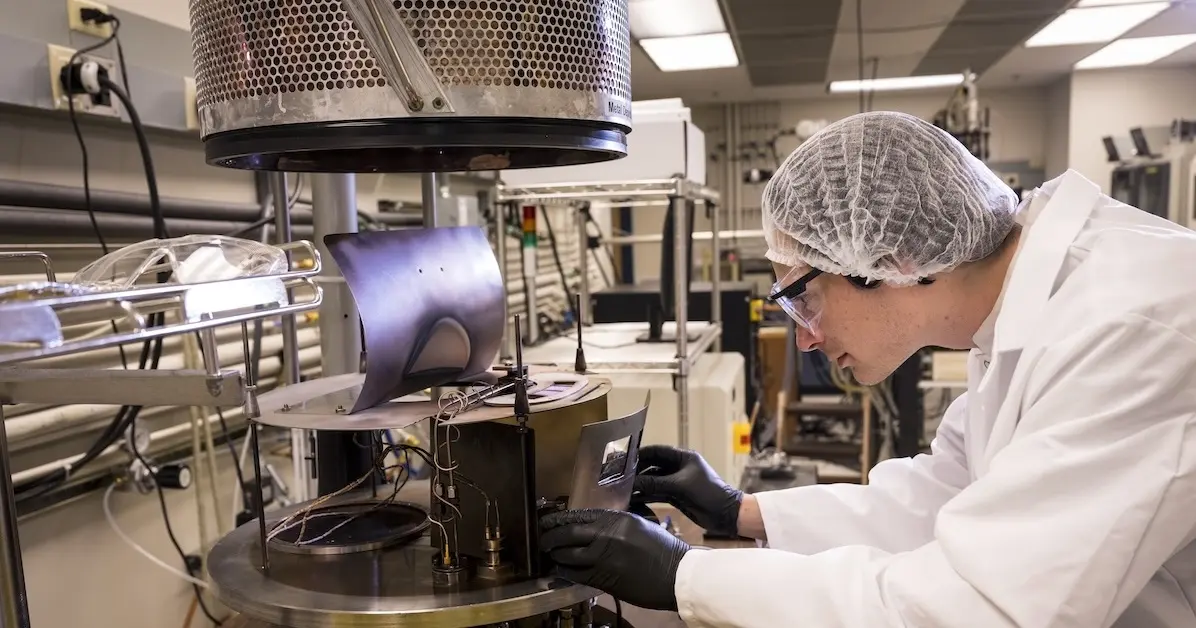
Through education and workforce training, industry partnerships and research innovations, Oregon State University helps keep the Silicon Forest a vibrant contributor to the state’s economy.
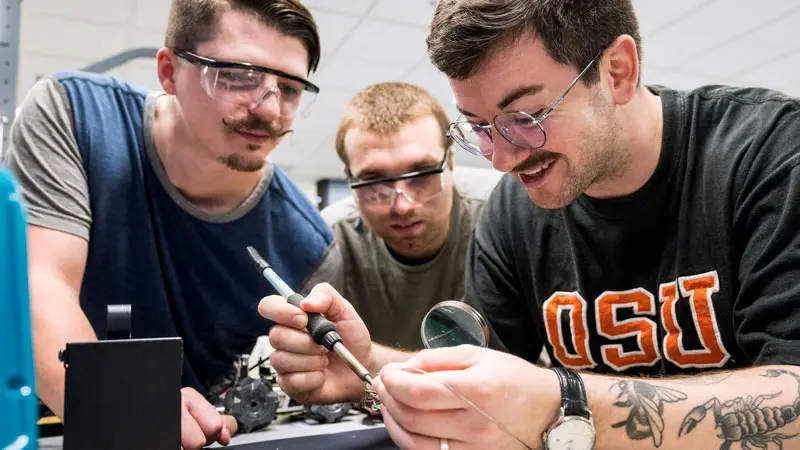
Programs like VETS-UP are just one of several ways the university is actively working to fill gaps in the workforce and connect its students to employment opportunities.
$1 million grant enables military-connected students to spend eight weeks on-site at ADI for semiconductor upskilling, introduction to breadth of career pathways.
The race is on to bring back semiconductor manufacturing in the U.S. The industry got a huge boost from the federal CHIPS and Science Act in 2022, which invested $52.7 billion in the industry. Oregon followed with its own CHIPS Act in 2023, adding another $240 million.
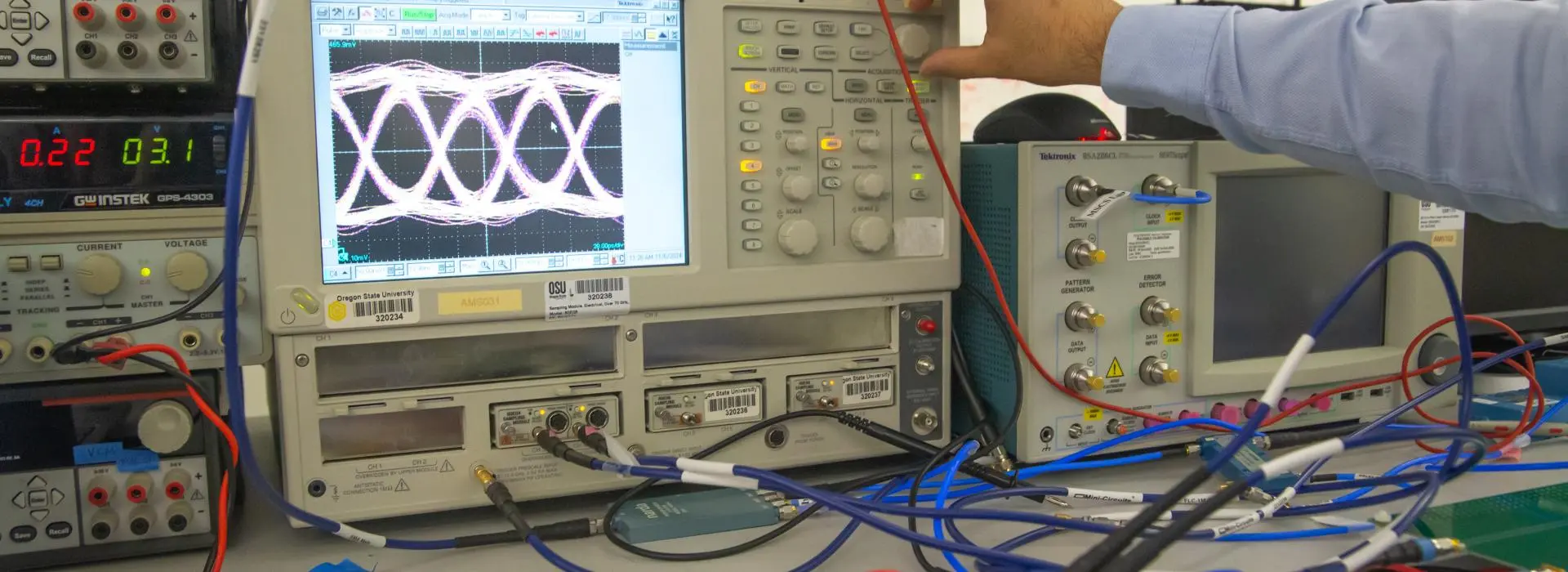
Grounded in a long history of excellence in analog integrated circuits, Oregon State University is one of only a handful of universities with several faculty members in integrated electronics.
For anyone working in the semiconductor industry in Oregon, it is no surprise that a recent report estimated a need for a 24% increase in semiconductor-related credentials.